Poison Ruin with the Serfs, Seclusion and Sluggo

Poison Ruin with the Serfs, Seclusion and Sluggo

Ottobar (map)

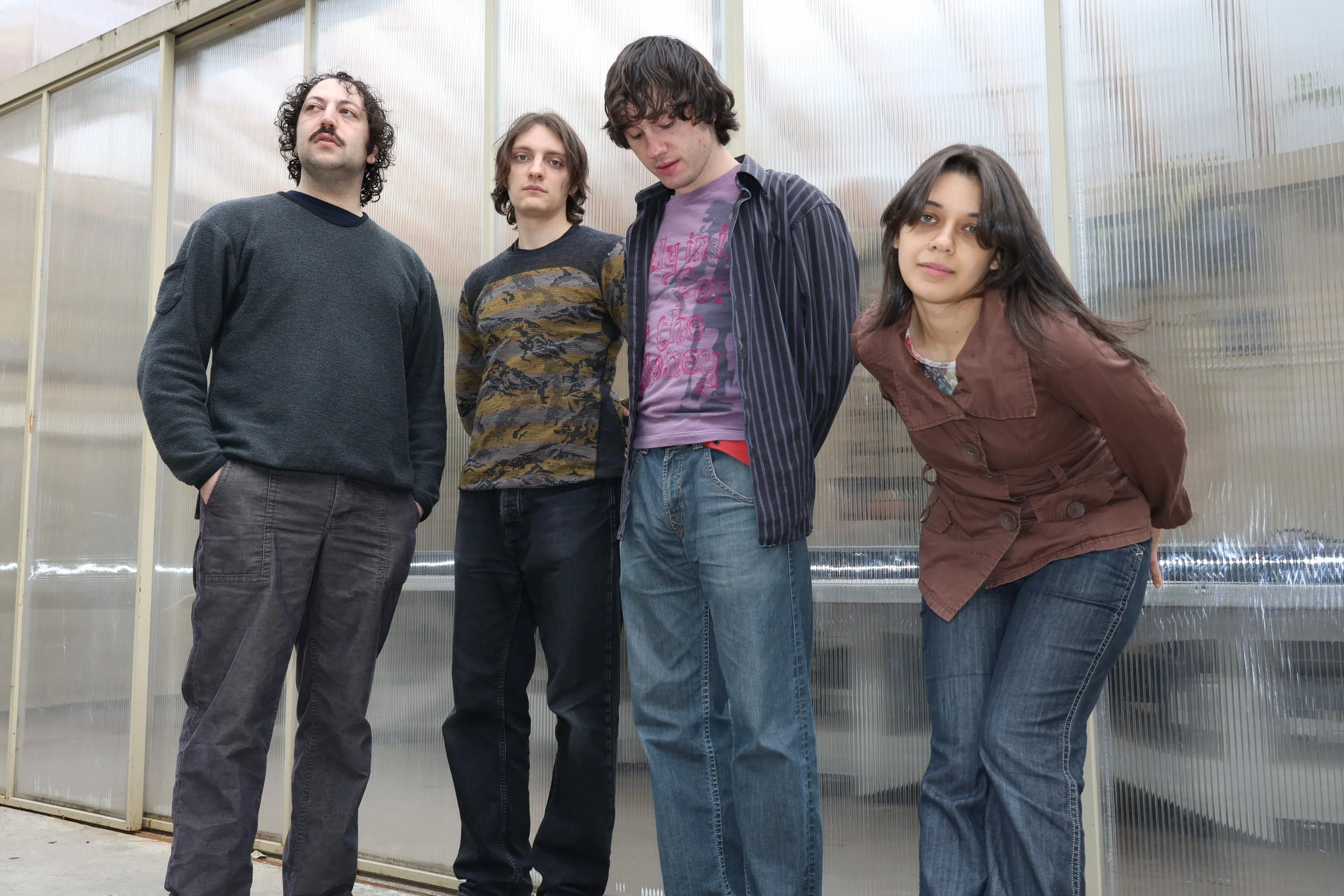
Poison Ruin

with the Serfs

Seclusion 

and Sluggo


Doors at 7pm, all ages

Gia Margaret with Brendan Eder Ensemble

Gia Margaret with Brendan Eder Ensemble

Current Space (map)

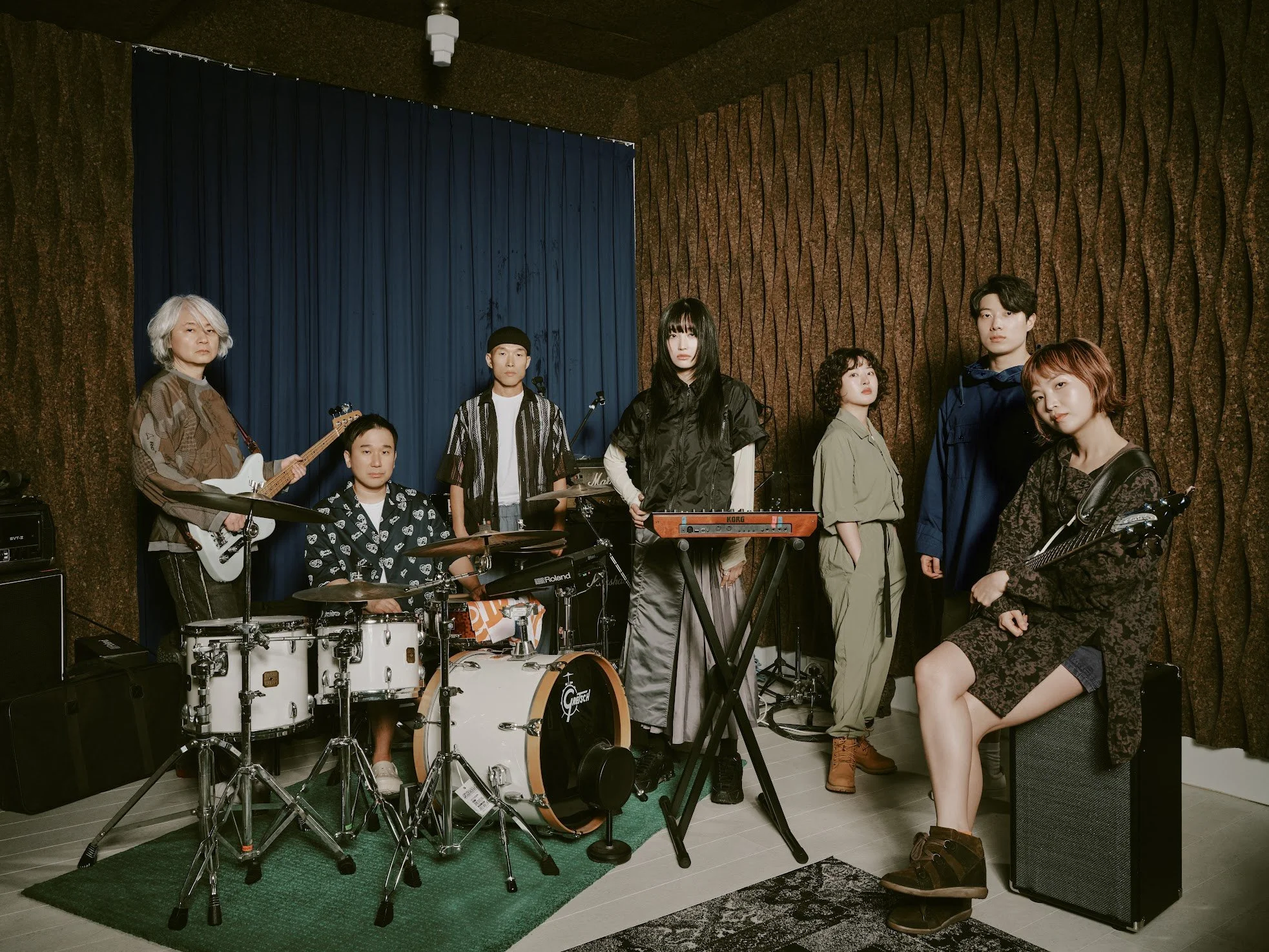
Gia Margaret

is on tour s i n g i n g

with Brendan Eder Ensemble


May 3rd at Current Space

Doors at 6pm, all ages


Every artist has to discover their voice. Gia Margaret didn’t find herself until she lost hers. With a vocal injury that kept her from singing for years, she developed other musical languages, mastering the grammar of an intricate, homey form of ambient music pioneered by Ernest Hood and perfected by The Books. Now, her physical voice healed and her artistic voice honed, she comes full circle with Singing, her first vocal album since 2018’s There’s Always Glimmer. Led by soft piano lines that fall like breath on glass, the music on Singing evidences the same jeweler’s sensitivity to detail that she developed in her silence.

“There was a time when I really didn’t know if I would sing again. So once I healed, there was a lot of internal pressure to come back strong,” Margaret says. “I didn’t know who I was anymore. So it felt like beginning again, and reconnecting with these very old, old parts of myself.” This feeling of intermixed alienation and rediscovery is palpable across the album. In opener “Everyone Around Me Dancing,” she watches a party from the wings, aware of how her body keeps her from communal joy while also providing new modes of self-knowledge. Shut out from the scene, she is “closer to the ground, the
planet.” In “Alive Inside,” she’s so far away from the source that she’s praying to whoever might hear (“a god, a friend that’s gone, a spirit”). As her voice rises, it seems to be trapped in a web of distortion; it’s as
if in her pursuit, she’s pushing at the very boundaries of what can be said.


The process of making Singing was one of learning how to trust each of those feelings. The album was partially recorded in London with Frou Frou’s Guy Sigsworth, who helped Margaret unify the spree of ideas she had for “Good Friend,” an album highlight that includes Gregorian chant by ILĀ and turntable scratches, among many other things. David Bazan and Amy Millan also make appearances, as do Kurt Vile and Sean Carey, while Margaret’s longtime collaborator Doug Saltzman plays on and co-produces much of the record. Deb Talan, previously of The Weepies, lends her voice, piano, and guitar to the album’s closing—and definitive—statement, “E-Motion.”Gia Margaret is always singing. Every note of this album sings a warm requiem to her past selves; every layer sings her future self into being. Across the album, she applies the lessons of speechlessness—the quasirational ways we communicate without communicating, the way formless sound can cut to the heart of things like a scalpel—to her own artistic voice.

Elias Rønnenfelt & Evanora Unlimited with John FM & Voyeur

Elias Rønnenfelt & Evanora Unlimited with John FM & Voyeur

Ottobar (map)

Spirit World & UN present

Elias Rønnenfelt & Evanora Unlimited with John FM & Voyeur

Doors at 7pm, all ages


Elias Rønnenfelt is known as the singer of Iceage.Less than a year after the release of his debut album Heavy Glory, Elias returns with his sophomore album. Conceived and recorded in his bedroom between tours, Speak Daggers features appearances from the legendary group The Congos, and Copenhagen artists Erika de Casier and Fine.

Evanora:Unlimited is a multimedia project from Oakland, California interdisciplinary artist Orion Ohana. Exploring world building, music, film, fashion, and varying mediums of performance art, Evanora:Unlimited
is not an artist alias but the title of an ever-changing formless
concept and cinematic world showcasing various characters,
self-described as “a based on true events erotic science fiction
religious horror epic


SOLD OUT-- Gelli Haha with Big Sis

SOLD OUT-- Gelli Haha with Big Sis

Songbyrd Music House (map)

Gelli Haha

with Big Sis

Gelli Haha exists somewhere between Studio 54 and Area 51, where dancefloors become playgrounds and cheeky aesthetics ignite imagination. A shapeshifter, a sonic acrobat, a performer with one foot in the cosmos and the other in a slapstick routine, Gelli Haha is a space for pure creative chaos.

For her opening trick, Gelli Haha presents Switcheroo, the debut album via Innovative Leisure, to be released in June 2025. With a shared taste for off-kilter pop and vintage gear, producer Sean Guerin (of De Lux) joined Gelli in turning freshly-formed demos into a high-voltage experiment, abandoning meticulous structure for something freer and more electrifying. Every song on Switcheroo makes use of a myriad of recording toys; wacky analog effects, such as the Eventide Harmonizer, MXR Pitch Transposer, and various Electrix units, fashion an intentionally flawed and strictly silly texture throughout the album.

Gelli Haha’s music thrives on duality: playful but profound, tongue-in-cheek but sincere. “Bounce House” is the child-like innocence; “Spit” is the S-words-only underground-club grit. “Piss Artist” revels in tequila-fueled storytelling about an infamous party moment (involving a jar — don’t ask, just dance), while “Normalize” feels like you’re stuck in Play-Doh.

It’s a practice in play - recording vocals mid-jump, translating drum fills into mouth sounds, granting your best friend’s wish for a song about them. A bear attack crashes through the happy-go-lucky “Dynamite”, “Funny Music” ends with a sudden “BONK!”— because why not?

The emotional rainbow stretches beyond the positive — Gelli pouts and wails on "Tiramisu", demanding to know and feel everything, while "Pluto is not a planet it’s a restaurant" closes the album in a darker, heart-throbbing track with the repeated cry: "I’m afraid."

Switcheroo is the soundtrack to the Gelliverse, a sensory adventure sphere created by Gelli. This live revue is an invitation into a world of dolphin balloons, flutes, mini trampolines, and a stage bathed in the project’s primary color, red - bold and full of mischief.

Gelli Haha isn’t foolproof. It’s by design. Switcheroo is an exercise in letting go, an inside joke turned theatrical spectacle. Participation is encouraged. Surrender is required.

CSR 20! Home Front with Bootlicker, WarxGames and Loose Leash

CSR 20! Home Front with Bootlicker, WarxGames and Loose Leash

Ottobar (map)

CSR turns 20!

With Home Front, Bootlicker, WarxGames and Loose Leash


All ages, doors at 7pm

Jjjjjerome Ellis with Daoure Diongue & Kaz

Jjjjjerome Ellis with Daoure Diongue & Kaz

Current Space (map)

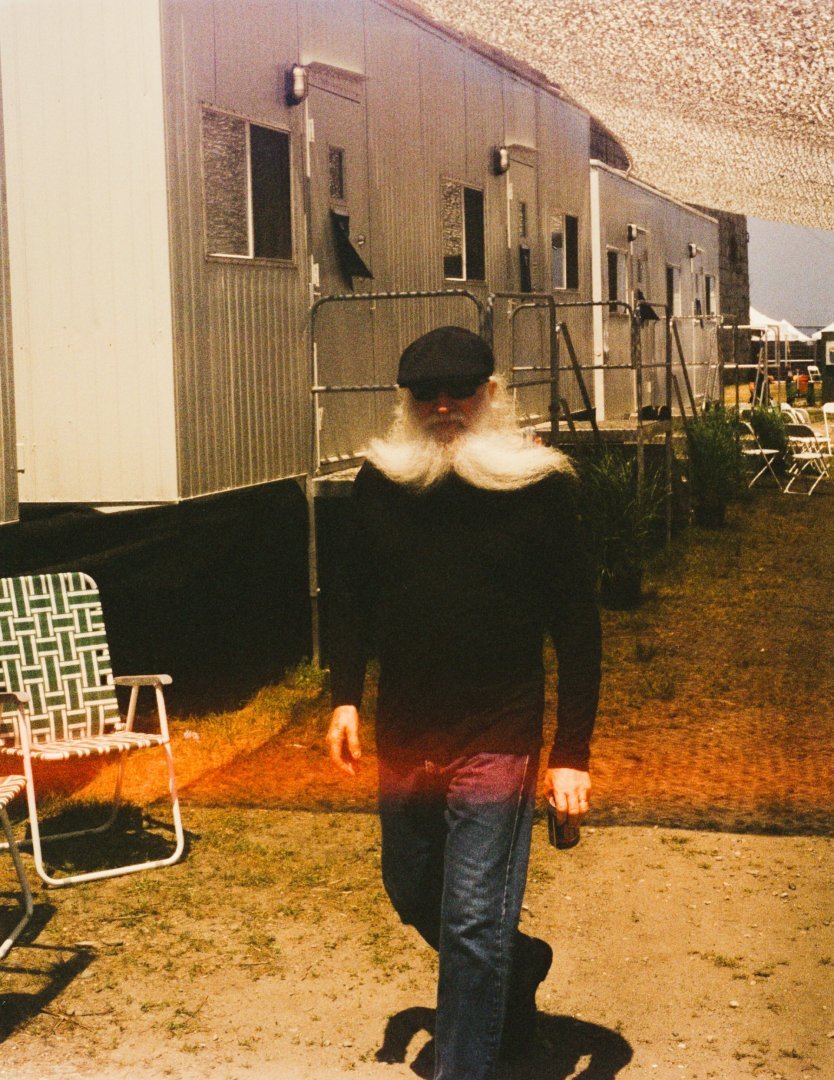
Jjjjjerome Ellis

with Daoure Diongue & Kaz

at Current Space

Doors at 6pm, all ages

Vesper Sparrow opens with a declaration: “A stutter c-c-can be a musical instrument.” This was an epiphany for the Grenadian-Jamaican-American composer and artist JJJJJerome Ellis, and became the guiding principle of their work. At an early age, Ellis found liberation in the fluid sounds of the saxophone; speaking, by contrast, caused shame and discomfort. Ellis’ stutter manifests as a glottal block, an involuntary pause in their speech. Eventually, Ellis learned to see these pauses as a source of possibility. In a social context, a block can lead to confusion or embarrassment, but in a musical setting that same pause can dilate time, create moments of intimacy, and open avenues for improvisation. Now, Ellis follows their stutter like a path through the wilderness, trusting it like true intuition.

Ellis calls their glottal blocks “clearings,” as in a suddenly open space in the middle of a forest path. Historically, clearings were places where enslaved African Americans could congregate and pray. Ellis explored the complex relationships between Blackness, speech dysfluency, and music on their excellent 2021 debut The Clearing (and in a research paper of the same name). That album—didactic yet inventive, intensely emotional while remaining rigorously intellectual—was like a manuscript bursting with ideas, brought to life with hip-hop, R&B, and jazz. Vesper Sparrow, Ellis’ follow-up, is more focused but just as deep, a prose poem rather than a dissertation. Their focus now is on time: how a stutter can suspend time for both speaker and listener, and how bridging that gap can forge new connections. — Matthew Blackwell, Pitchfork (8.0)

Sluice with Hiding Places

Sluice with Hiding Places

Metro Baltimore (map)

SLUICE

with Hiding Places

Saturday May 16, 2026

Doors at 7:00 PM, Show at 8:00 PM

Future Islands- celebrating 20 years! With Dan Deacon & Ed Schrader's Music Beat

Future Islands- celebrating 20 years! With Dan Deacon & Ed Schrader's Music Beat

Pier Six Pavillion (map)

Future Islands- celebrating 20 years!

With Dan Deacon and Ed Schrader’s Music Beat

Cold Court

Cold Court

Songbyrd Music House (map)

Cold Court

Doors at 7pm, all ages

It’s tempting to say that you’ve never heard music quite like what Philadelphia group Cold Court is doing on their debut EP, but that’s not quite right. You’ve probably heard a lot of music that sounds like this. You just haven’t heard it all at once. Sideways rhythms, approximations of salsa, peg-legged shuffles, grungy little garage rock riffs, organ runs from the feathered-hair era, The Mars Volta, that proggy one-hit wonders Focus, Death Grips, glitchy Aphex Twin filters, radio emo, splashy jazz drums à la Elvin Jones, uncomfortable time signatures, dubstep-style rhythmic interventions. And that’s just in the first song.

Wild Nothing with Deakin

Wild Nothing with Deakin

Ottobar (map)

Wild Nothing

with Deakin

Doors at 7pm, all ages

Because “Hold,” Jack Tatum’s fifth album under the moniker Wild Nothing, was written in the aftermath of new parenthood during the pandemic, it was probably inevitable that it would be searching and existential music. But during the recording process, the artist known for synth-pop tastefulness took it as an opportunity to reach for a new sonic maximalism and wider set of influences.

With contributions from longtime collaborator Jorge Elbrecht, Tommy Davidson of Beach Fossils and Hatchie’s Harriette Pilbeam, first single “Headlights On” features an acid house-worthy bass groove and breakbeat that prove Tatum is playing for the rafters.

But that club ambiance is misdirection. “It’s a fun song, but lyrically, it’s about my wife and I going through one of the worst times in our relationship,” Tatum said. “I don’t know why, but I’ve always been so drawn to these kinds of juxtapositions and striking these balances.”

Tatum produced the rest of the record on his own, partially out of necessity, due to the challenges of the pandemic. “More than anything, this record reminded me of working on my first LP. Just truly being holed up in this room, alone with no input for such a long time,” he said. The songs were eventually brought to Adrian Olsen at Montrose Recording in Richmond to begin recording drums and filling in the gaps. While largely a product of isolation, Hold also reflects the things Tatum has learned from collaborators, both on previous records and during his acclaimed work with Japanese Breakfast and Molly Burch.

The rest of the record was mixed by Geoff Swan, who listeners might know for his work with Caroline Polachek and Charli XCX. “I reached out to Geoff because I wanted to find someone that could help me make this sound as big as possible,” he said. “I’ve always been very inspired by and attracted to big tent ’80s acts. Peter Gabriel and Kate Bush are two of my biggest influences ever because they clearly never shied away from that kind of ambition.” Swan put Tatum’s vocals high in the mix, and throughout the album, he embraces playful vocal processing like never before.

On “Basement El Dorado,” he sings about searching for heaven in a ruined world. “It’s a little bratty, but it’s also really about genuinely wishing there was a heaven—wouldn’t it be nice?” he said. “I didn’t want to get too heavy-handed about global warming and how the world is on fire, but I still wanted to get at the idea that this is what we’ve got. At least that’s how I view it. Heaven is a place on earth, and this is all we have.”

Prewn with Pearl Sugar

Prewn with Pearl Sugar

Songbyrd Music House (map)

Prewn

with guests, TBA

If Izzy Hagerup’s new album, System, feels immediately uncompromising it’s because it was never really designed for public consumption. Released under her Prewn moniker, Hagerup describes the album as a “private journal made public.” The arresting nine songs on System chronicle a deeply personal journey through the darkness of depression, but one that’s always undercut by moments of humor as well as selfishness and self-reflection–a push-and-pull that feels wholly distinctive.

Following on Prewn’s 2023’s debut album Through The Window–a collection of songs that Pitchfork hailed as a “striking example of Hagerup’s ability to sit with ugliness”–System finds her crawling even deeper into the dense folds of the night. Hagerup alone wrote and recorded the album, mostly in long stretches of bedroom sessions that found her working through the night until she began to hear birdsong. System reckons with a lot of the thoughts that tend to needle in during those small hours: guilt, shame, and self-absorption, as well as the societal pressures that sit at the root of such things.

“This new album comes from a much more self-centered place, the stagnant aftermath of intensity and emotion,” Hagerup says. “I think it came from a period of time that was more numb, hollow, and confused. More disassociated from heartfelt pain, more entrenched in a frustrating and aimless discomfort.”

That discomfort manifests itself in various ways throughout System. Each of the songs were a result of random inspiration, and find Hagerup working out of a desperation to record the pieces before the inspiration slipped through her fingers. “I feel in a constant state of writer’s block but I just put myself in the studio for hours and hours, sometimes in agony and desperation for any muse at all,” she explains. “Every once in a blue moon, a nugget gets thrown my way and I run as far as I can with it.”

The result is a wildly unique album that carries a sense of restlessness and unease in its bones, but also pulls the curtain back on what it takes and what it means to fully explore the self through song. “It seems that misery’s my best friend. I know it’ll come to me again and again…” Hagerup sings on the title track. Written while feeling acutely overwhelmed in a sea of people, the song touches upon everything from the mechanisms of the music industry, to cycles of depression, to the seemingly never-ending battle to escape the clutches of the patriarchy and capitalism. “When I wrote it I was supposed to be present and alive and gracious and happy. But somehow I couldn’t escape my own internal fears and depression that can follow me wherever I go,” she says.

Pulling together a number of the System’s key sentiments, “Dirty Dog” is like an intense fever dream–a song where the listener can never quite find their footing within the glitchy, malaise-like backdrop of its scorched instrumentation. Hagerup says. “I think a large continuity of the songs lies in the amateur quality of them. I’m a sucker for an imperfect recording.” Such sentiments bristle throughout “Dirty Dog,” shaping it into something prickly and unilluminated in a way that feels almost radical

Cola with PARKiNG

Cola with PARKiNG

Songbyrd Music House (map)

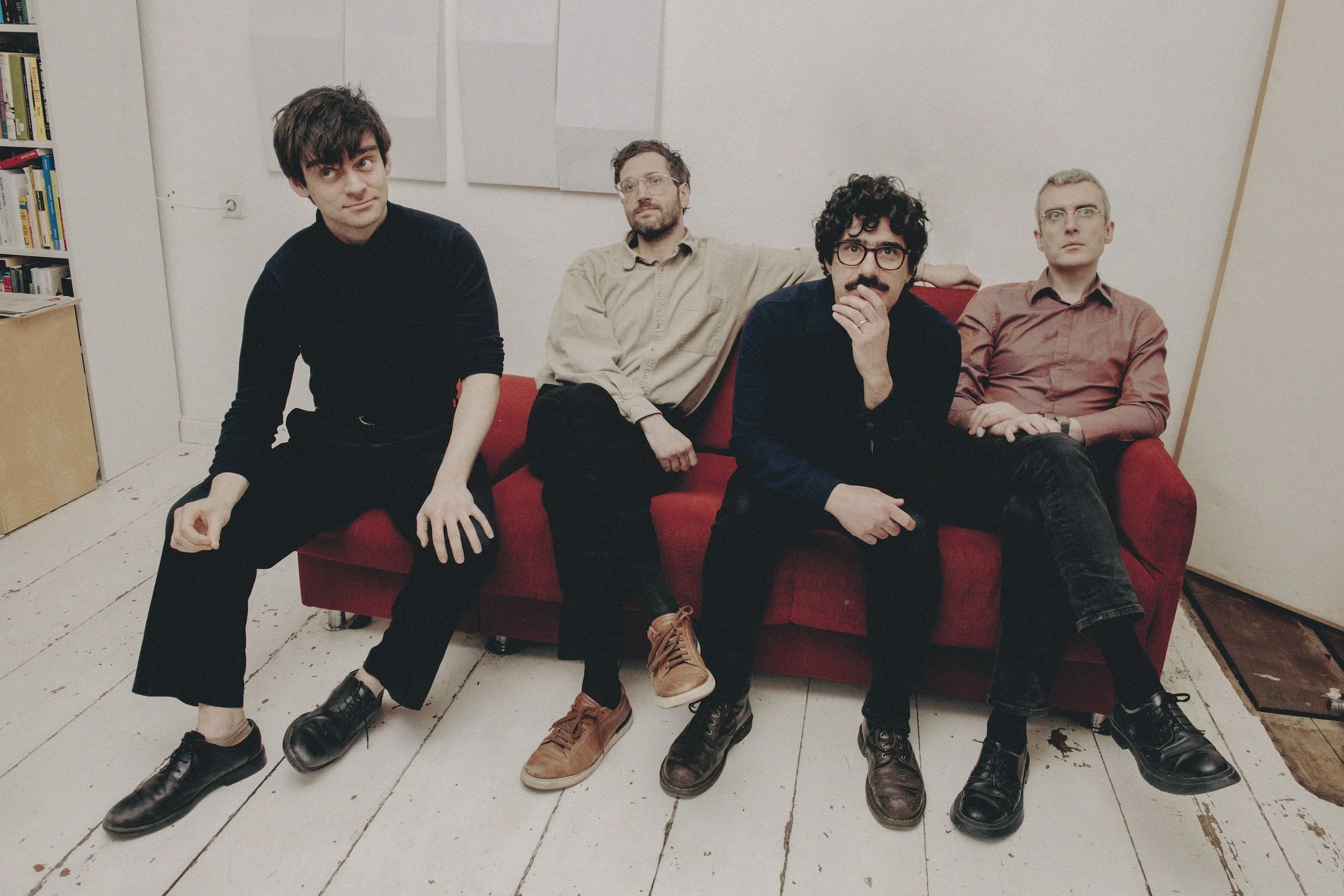
Cola
w/ PARKiNG

C.O.L.A. is sort of a self-titled album. It’s an acronym for Cost of Living Adjustment, a fitting conceptual framework for the band’s third record. Why? Because C.O.L.A. considers, among other things, socialism vs. hell. It considers: rolling the dice of life. The eerie and sweet pangs that nostalgia can provoke. This is not new territory for band members Tim Darcy, Evan Cartwright, and Ben Stidworthy. It is, in Cartwright’s words “a deepening of what we’ve been doing.” C.O.L.A. is an intricate, beautiful, and sometimes strange record. It is the band’s most refined offering. A perfection of carefully honed aesthetic impulses.

Cola, as a band, says Darcy is defined by its “tasteful minimalism.” A deep appreciation for making music that is romantic, subtle, and deceptively intense. C.O.L.A., however, is the band’s most maximalist work to date. This is a little tongue and cheek (“We were so worried,” says Cartwright, “About all the songs on this record being too different”). In practice, this maximalism means that a song like “Hedgesitting,” has both live drums and a sample drum loop. “Hedgesitting,” is a gorgeous, lush song. It’s like a deconstructed, chopped & screwed b-side from the Cure’s Disintegration. It’s also a little indebted to Sarah Records. “When you were young,” Darcy sings at the song’s start, “you came to make it.”

C.O.L.A., like everything written by the band, is inherently collaborative. The band writes everything separately, then comes together and works in the studio. Look again to “Hedgesetting,” to see this in action, which started out with chords that Darcy had sent, then the band expanded it together, with Stidworthy remixing it right before heading to the studio. This division of labor works intuitively. It is a part of the band’s DNA to say, take an arrangement Stidworthy wrote, and then have Darcy and Cartwright build upon it. Take “Favoured Over the Ride,” as an example. “I wanted to create a dusky, melancholy palette for Tim to write lyrics for,” says Stidworthy. The song starts with a lonely, dreamy guitar riff. Then there’s a crisp line of bass and it all comes into focus: “What’s on the ceiling that’s caught your gaze?” sings Darcy. It’s a moment of clarity on a record that is interested abstraction. C.O.L.A. is full of these clarifying moments: where a whole swirl of feelings become so clear that it almost hurts a little bit.

***

PORTRAiTS, the debut full-length from Kentucky-based art-rockers PARKiNG, captures this unforgiving sense of dread, unease, and mania with haunting accuracy. Its sprawling and oftentimes politically charged sound is a perfect fit for the ledge, for the cusp of collapse, and for the dreadful isolation of twenty-first-century America. Spanning ten tracks and clocking in at nearly forty-five minutes, ‘PORTRAiTS’ features pulsating post-punk explosions, haunting orchestral abstractions, and fresh takes on the last half century of art and noise rock.